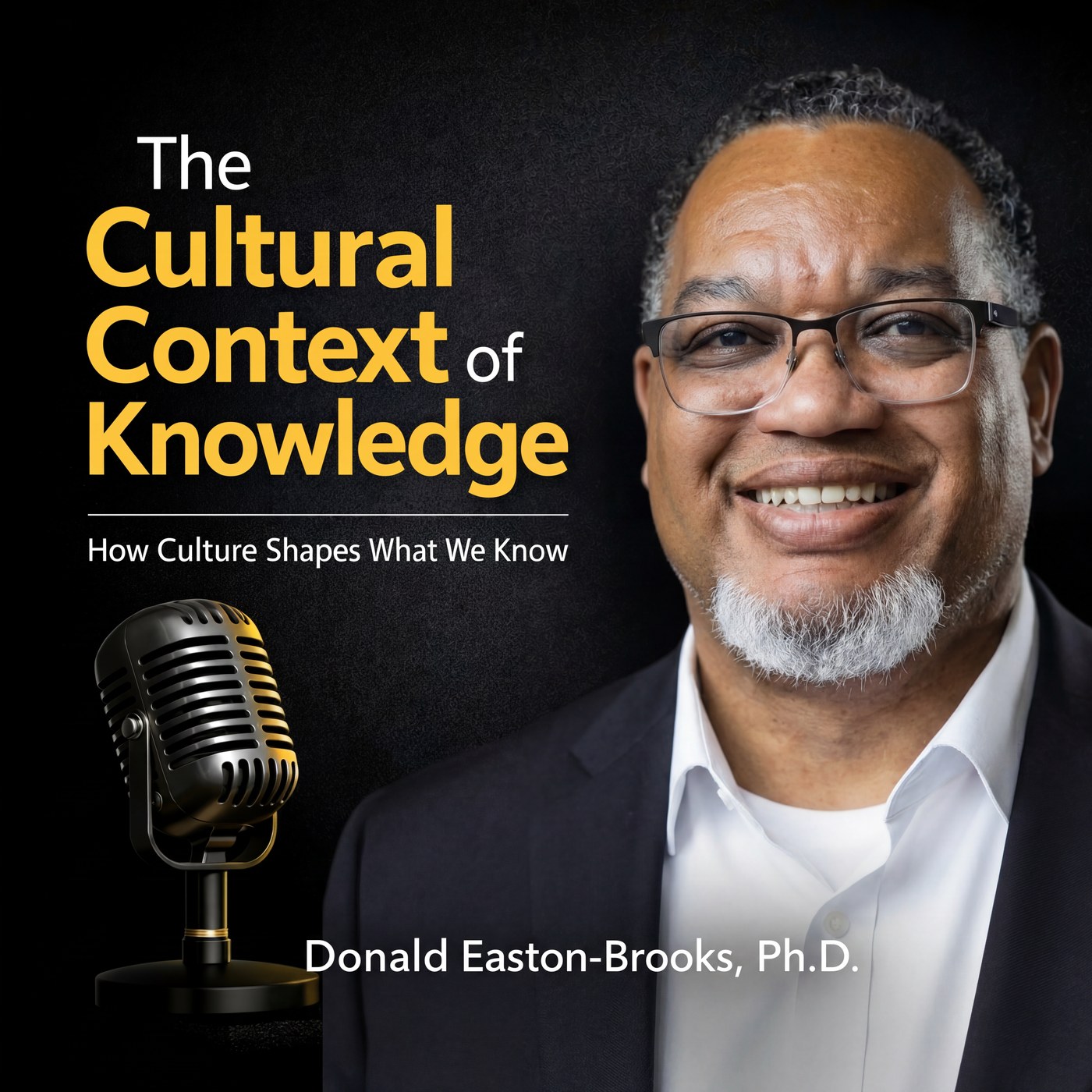
Most learners study by rereading. The page is in front of you, the highlighter is moving, the words look familiar, and the time is passing. It feels productive. Episode 6 explains, plainly, why it isn’t.
The core insight is short. Recognition is not memory. You can stare at a definition until it stops sounding like meaning and starts sounding like noise, and you can still freeze the moment the exam asks you to use that definition in a scenario. The fix isn’t more rereading. The fix is a different kind of practice.
Retrieval practice, in plain language
Phase one of Bloom’s, the remember phase, gets misread all the time because it sounds passive. Remember sounds like recognize. The episode argues that done well, phase one is the opposite of passive. It is the discipline of pulling an idea out of your mind without a safety net. Read the definition once. Put your notes aside. Say it out loud in your own words. Check what you missed. Fix it. Do it again.
The blank moment in the middle, the one where your mind goes empty after you put the notes down, is the work. That blankness isn’t proof you can’t learn. It is the exact location of what you have not learned yet. You found it. That is the win.
The flashcard upgrade
The episode also reframes flashcards. Most flashcards fail because they pair an abstract term with an abstract definition, with no place for the brain to attach the meaning. The upgrade is straightforward. Every flashcard gets an example. Social inequality on the front. The textbook definition on the back, plus a single concrete picture: one person owns a private jet, another can’t pay rent. The picture is what makes the definition stick.
The example matters because it carries cultural context. A flashcard with no example loses the reason the term exists. A flashcard with a concrete picture lets a sociology term live where sociology actually lives, in the lives people are already navigating.
Why core idea beats perfect wording
One of the most useful moves in this episode is the rule about wording. Don’t chase perfect definitions. Chase the core idea. The textbook may describe social stratification as “a society’s ranking of people into a hierarchy.” A learner who can say “social stratification is how society sorts people into layers, like a hierarchy” has the win. Ranking, layers, hierarchy. The mental hook is in place.
This rule matters because most freezing on exams happens when learners are trying to remember the textbook sentence rather than the meaning. The textbook sentence isn’t the goal. The textbook sentence is one possible expression of the meaning. Once you have the meaning, you can express it many ways, including the way the exam happens to phrase the question.
Where this sits in the series
Phase one looks small and basic. The episode is honest that this is exactly why most learners skip it. They feel ready to apply or analyze or evaluate before they have actually built the foundation, and the missing foundation shows up later as panic on a midterm. Episode 6 argues that the way to make the harder phases possible is to make phase one boring, daily, and complete.
The next six episodes build on top of this base. Without retrieval, understanding (Episode 7) is shaky. Without understanding, application (Episode 8) is guesswork. The work in this episode is small on purpose. It is supposed to fit inside a normal study session.
A few questions worth sitting with
When was the last time you felt sure you knew something, and then went blank when you had to produce it without notes?
What study habit feels productive but might be training recognition rather than recall?
Which terms in your current course have a definition but no clear example in your mind?
One thing to try this week
Pick a unit you are studying. Write out eight to ten key terms. For each one, build a flashcard with a definition and a concrete example. Then write twenty short retrieval questions, not essay prompts, just one-sentence prompts that force recall. Spend ten minutes a day answering them out loud without your notes. The blank moments are the practice. The wins are the moments you find a core idea you didn’t have yesterday.
That is phase one. When you can define it simply, give one real-world example, and answer a retrieval question without notes, you have earned the next phase.